Importance of Optical Sorting in Grain Processing
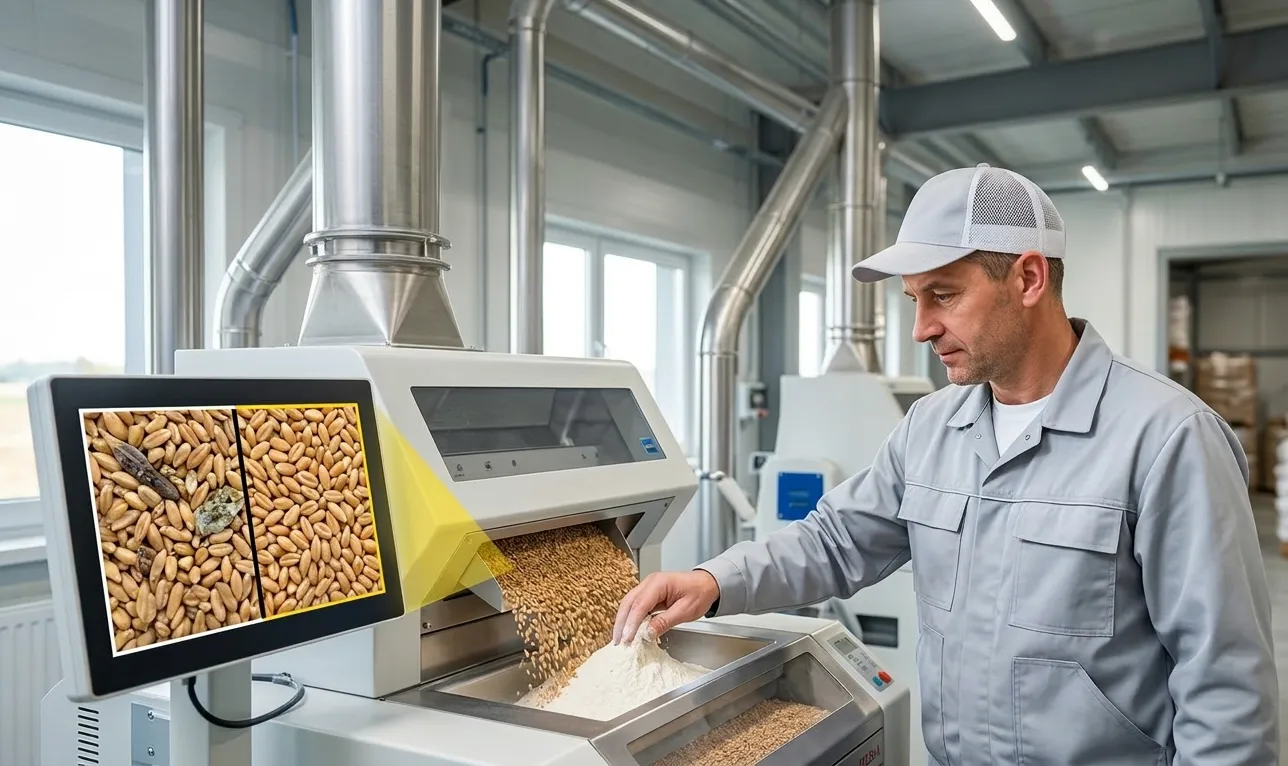
Optical sorting technology utilizes advanced cameras, sensors, and software algorithms to rapidly detect and remove grain imperfections and foreign materials. For Polish grain mills, optical sorting brings numerous advantages:
- Ensuring High-Quality Output: Optical sorters efficiently detect and eliminate contaminants such as defective kernels, small stones, and foreign particles. This guarantees that only superior-quality grains proceed to the milling stage.
- Improving Product Consistency: The automation offered by optical sorters ensures consistent grain selection, crucial for the baking industry, which requires uniform flour characteristics for optimal product performance.
- Reducing Material Waste: Optical sorting significantly minimizes waste by effectively removing defective grains at an early stage, ensuring only valuable materials are milled.
Detailed Comparison: Traditional Sorting vs. Optical Sorting
Traditionally, grain sorting relies heavily on manual or mechanical processes like hand sorting, sieving, and air separation. Although historically effective, these methods present notable limitations:
- Manual Sorting: Highly labor-intensive, manual sorting depends on workers visually inspecting grains, leading to variable outcomes due to human error and fatigue. This process also struggles to identify subtle defects or small contaminants effectively.
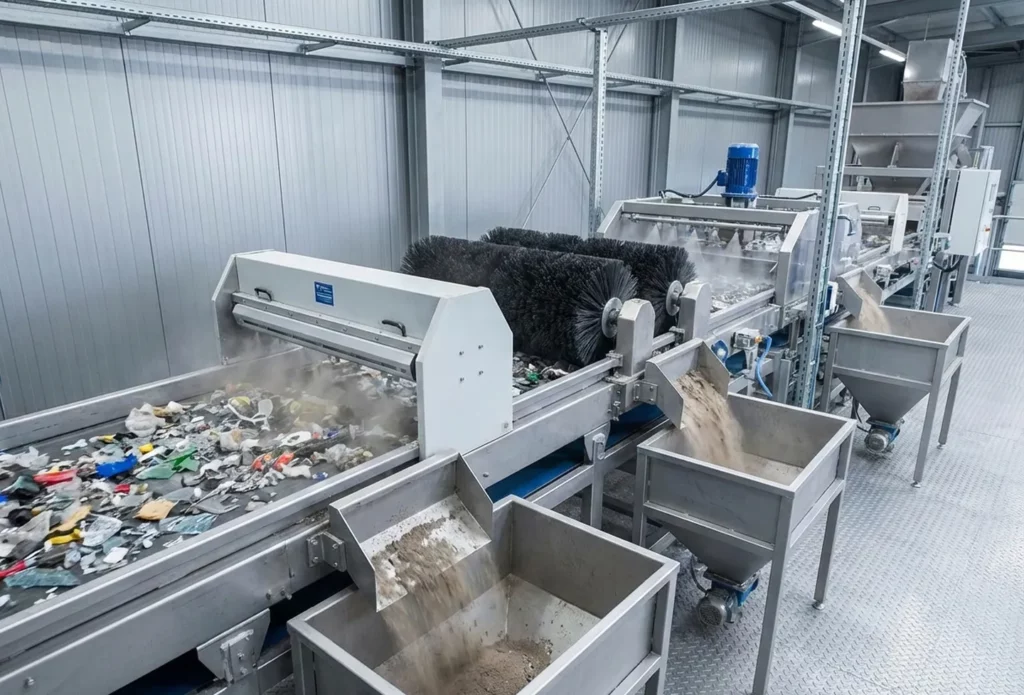
- Mechanical Sorting: Mechanical sieving and separation often lack precision, resulting in imperfect removal of small impurities and variations in grain size. Additionally, mechanical sorting methods can damage grains, adversely affecting flour quality. Mechanical sorting provides an excellent first step in thoroughly cleaning the seeds. This process helps prepare the material so that optical sorting can achieve the highest possible accuracy and efficiency.
Optical sorting, however, effectively addresses these traditional limitations:
- Enhanced Precision: Optical sorters precisely identify even tiny grain defects and contaminants using advanced imaging and sensor technologies.
- Greater Efficiency: Capable of sorting large volumes of grain rapidly, optical systems drastically improve throughput compared to manual or mechanical methods.
- Operational Cost Reduction: By automating the sorting process, optical technology substantially reduces reliance on manual labor, leading to considerable savings in operational costs.
Contaminants and Defects Removed by Optical Sorters
The core value of optical sorting lies in its ability to pinpoint and remove a wide array of problematic elements that decrease the grade and safety of flour. These can be grouped into several categories:
| Category | Targeted Impurities | Why They Must Be Removed |
| Foreign Materials | Stones, glass, plastic, metal, wood, soil clumps, and animal matter. | Protects milling machinery from damage and ensures consumer safety. |
| Diseased/Toxic Grain | Ergot sclerotia, fusarium-damaged kernels, moldy seeds, and kernels contaminated with mycotoxins (e.g., aflatoxin, DON). | Essential for meeting EU and Polish safety regulations for human consumption. Ergot and fusarium removal is a top priority. |
| Other Crop Seeds | Weed seeds (e.g., wild oats, tares), and different grain varieties that are mixed in. | Enhances product consistency and flavor; prevents allergen cross-contamination. |
| Defective Main Grain | Discolored (dark, black tip), damaged, broken, shriveled, or immature kernels. | Directly improves the visual appearance and brightness of the final flour. |
You can read more about mycotoxin control in corn and wheat in this article.


Advantages for Local Grain Mills
The adoption of optical sorting technology yields significant operational improvements, particularly for small and medium-sized Polish mills. Mills utilizing this technology are able to consistently produce higher quality flour, strengthening their competitive advantage. The optical sorting equipment integrates seamlessly with existing milling infrastructure, offering scalable solutions tailored to varying business needs.
Environmental Benefits of Optical Sorting
Polish grain mills adopting optical sorting technology actively contribute to sustainability. By precisely removing defective grains, optical sorting reduces waste and optimizes resource utilization, including energy consumption. This commitment to sustainable practices not only enhances the environmental profile of mills but also aligns with the values of increasingly environmentally aware consumers.
Preparing Polish Mills for Future Challenges
As industry demands evolve, optical sorting technology positions Polish grain mills effectively for future challenges. This innovative technology ensures compliance with stringent regulatory standards and improves overall operational productivity. Investing in optical sorting thus helps mills meet rising customer expectations while remaining agile and competitive.
Summary
Optical sorting technology is a transformative advancement in grain processing, significantly enhancing flour quality, consistency, and efficiency in Polish mills. For mills striving for quality, sustainability, and competitiveness, integrating optical sorting into their processes represents a vital strategic investment.
References
- European Flour Millers Association. (2022). Quality Assurance in Flour Milling.
- FAO. (2021). Sustainable practices in grain milling.
- Polish Grain and Feed Chamber. (2023). Industry Trends Report.