Sunflower seeds sorting
Enhancing Sunflower seeds sorting efficiency with Meyer advanced sorting technology
Improve Sunflower seeds sorting quality and increase throughput
Sunflower seeds optical sorting process
Sunflower seeds move through two very different markets — the snack and confectionery trade demands visually perfect, uniformly striped kernels, while the oil extraction industry prioritizes purity and oil yield above all else. Each pathway comes with its own sorting demands, and processors handling both face one of the most complex quality challenges in the seed industry. MEYER's sunflower seed optical sorter is built around this dual-market reality, delivering precise separation across the full processing line whether working with in-shell seeds, dehulled kernels, or partially hulled fractions. The system identifies and removes the defects most damaging to sunflower value: mold-affected seeds, discolored or blackened kernels, immature and shriveled seeds, and sclerotia — the fungal bodies produced by white mold that are notoriously difficult to distinguish from healthy seeds by size alone. In oil production lines, MEYER's X-ray capability adds a critical layer of inspection, detecting empty shells and hollow kernels that pass through conventional sorting undetected but dilute oil yield and processing efficiency. Foreign materials including flower heads, xanthium weed seeds, sticks, and stones are reliably removed across all line configurations. With sorting solutions tailored to both food-grade and oil-grade production, MEYER helps sunflower processors protect quality, maximize extraction efficiency, and meet the strict purity standards that export and food safety markets demand.
See sorting samples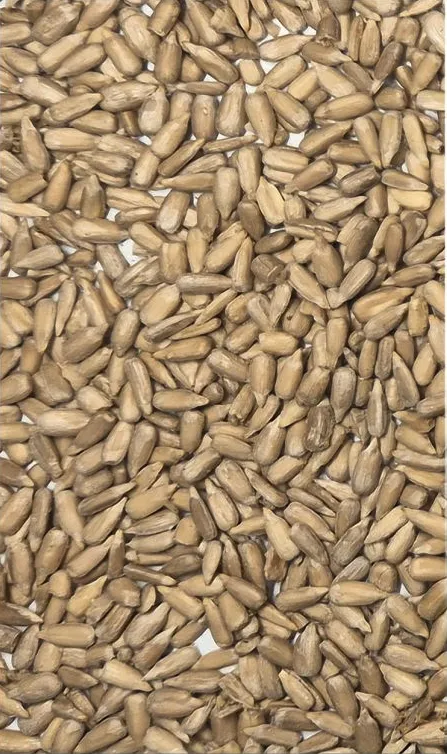
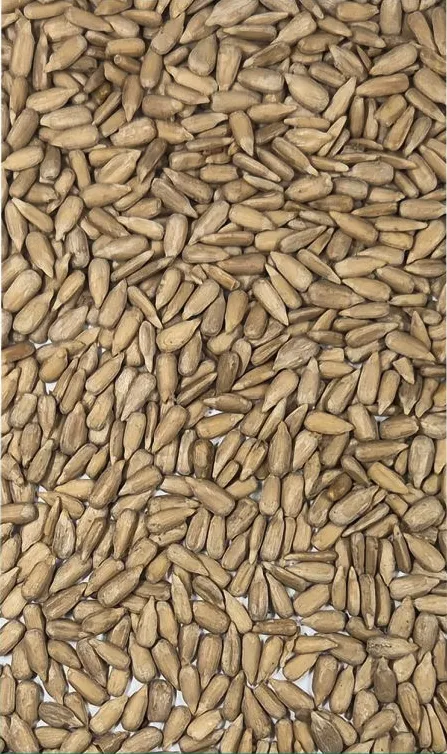
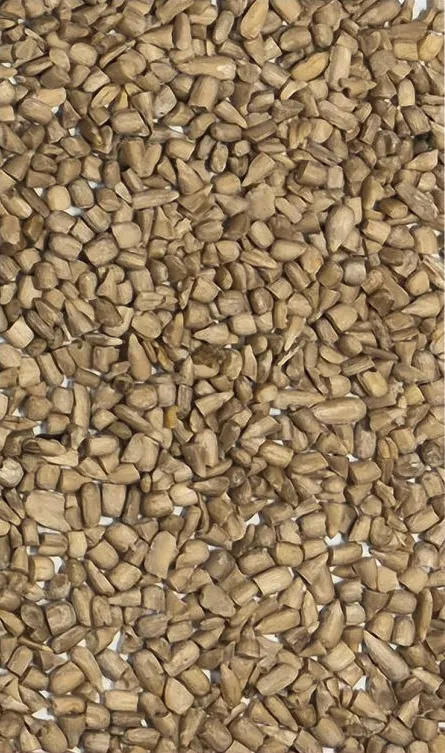
Examples of Sunflower seeds sorting with Meyer
INPUT
ACCEPT
REJECT
Benefits of using Sunflower seeds sorting machines
Increased purity and quality
Optical sorters can detect and remove discolored materials, foreign materials, and defects such as stones, sticks, or damaged grains. This results in higher purity and quality of the final Sunflower seeds product, meeting consumer and market standards.
Better Efficiency and Throughput
Optical sorting technology allows for the processing of large volumes of Sunflower seeds quickly and accurately, significantly improving throughput compared to manual sorting methods.
Reduced Labor Costs
Automated sorting reduces the need for manual labor, leading to cost savings and reduced human error in the sorting process.
Improved Product Value
Higher quality and purity of sorted Sunflower seeds can lead to better market prices and customer satisfaction.
Versatility and Flexibility
Optical sorters can be used for different varieties of Sunflower seeds and can be adjusted for different sorting needs, making them versatile tools in Sunflower seeds processing.
Reduced Waste
Efficient sorting helps reduce waste by ensuring that only genuinely defective materials are removed, while maximizing the amount of good product.
Data Collection and Analysis
Modern optical sorting systems can collect valuable data about the waste stream, such as composition and contamination levels, aiding in process optimization and regulatory compliance.
Decreased Environmental Impact
By increasing the amount and quality of recycled materials, optical sorters contribute to reduced reliance on virgin resources, lower greenhouse gas emissions, and a smaller environmental footprint for waste management operations.
Enhanced Product Safety
By removing contaminated grains or foreign objects, optical sorters help prevent potential health hazards, contributing to safer products.
Our clients’ stories
Frequently Asked Questions
What makes sunflower seed sorting particularly challenging?
Sunflower seeds come in multiple varieties — black, striped, and white — each with different defect profiles and processing requirements. They are also processed for entirely different end markets: confectionery snacking, oil extraction, and animal feed. Each pathway demands its own sorting criteria, making sunflower one of the more complex seeds to handle on a single processing line.
What types of defects can MEYER's sorter detect and remove?
The system addresses the full range of defects specific to sunflower seeds — including discolored and diseased kernels, seeds damaged by head rot, and mold-affected seeds that pose food safety risks. Crucially, MEYER’s sorter also identifies and removes sclerotia, the hard black fungal bodies produced by Sclerotinia disease, which closely resemble sunflower seeds in size and are notoriously difficult to separate using conventional methods.
What is sclerotia and why is it such a problem?
Sclerotinia sclerotiorum is a fungal pathogen that affects sunflowers and can cause head rot, stalk rot, and wilt — collectively known as white mold. The hard black sclerotia it produces mix into harvested seed batches and are a key grading factor in sunflower quality standards worldwide. Standard RGB sorting systems often cannot separate sunflower seeds from sclerotia — a Near-Infrared (NIR) system is recommended for this application. MEYER’s multi-spectrum detection is engineered precisely for this challenge.
Can the sorter detect empty seeds — a problem unique to sunflower processing?
Yes. Empty or underdeveloped seeds are a significant yield and quality issue in sunflower processing, particularly in shelled fractions. X-ray technology efficiently detects and removes foreign materials while also identifying empty seeds in shelled sunflower fractions — something surface-only optical inspection cannot achieve. MEYER’s solution integrates this capability for processors who require it.
What foreign materials can the system remove?
Foreign material in sunflower seed includes other grains, sclerotia, and stones. Beyond these, MEYER’s sorter removes flower heads, weed seeds such as xanthium, sticks, hull fragments, and other debris that enter the line during harvest and transport. For oil processors, removing these contaminants before dehulling is critical to protecting downstream equipment and ensuring oil quality.
How does sunflower seed sorting support food safety compliance?
Aflatoxin contamination is a recognized food safety risk in sunflower seeds globally, produced by Aspergillus molds that thrive when seeds are damaged or improperly stored. The FDA has set standards for aflatoxin levels to protect consumers, with 20 parts per billion or less considered safe for consumption. By removing damaged, discolored, and mold-affected seeds before storage or further processing, MEYER’s sorter acts as a critical preventive control point — supporting HACCP compliance and reducing the risk of contaminated batches reaching downstream processing or end consumers.
Does the sorter handle both confectionery and oil-type sunflower seeds?
Yes. Confectionery seeds — sold as snacks in-shell or as kernels — demand high cosmetic standards, with strict tolerances on discoloration, damaged hulls, and broken kernels. Oil-type seeds prioritize the removal of impurities that would affect oil yield and quality. MEYER’s system can be configured to meet the specific tolerances and throughput requirements of either processing route.
Can MEYER's solution handle the size and shape variability of sunflower seeds?
Sunflower seeds vary considerably in size and hull pattern depending on variety and growing conditions. MEYER’s shape analysis capability complements color detection to ensure consistent sorting performance even when seed dimensions vary across batches — a common reality in commercial processing where multiple origin lots are blended.