The Challenge for SMEs in Recycling
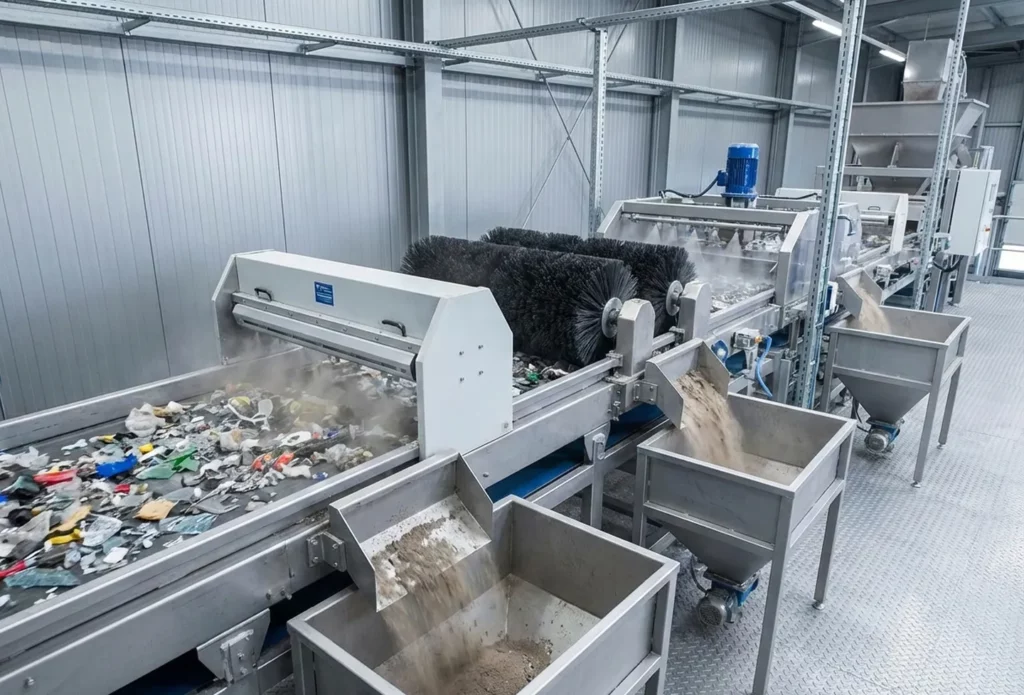
SMEs in the recycling industry often face challenges such as limited processing capabilities, higher operational costs, and difficulty in maintaining consistent quality compared to large-scale facilities. Industry giants benefit from economies of scale, extensive resources, and advanced equipment, leaving smaller recyclers struggling to remain competitive.
Optical Sorting: a game-changer in recycling industry
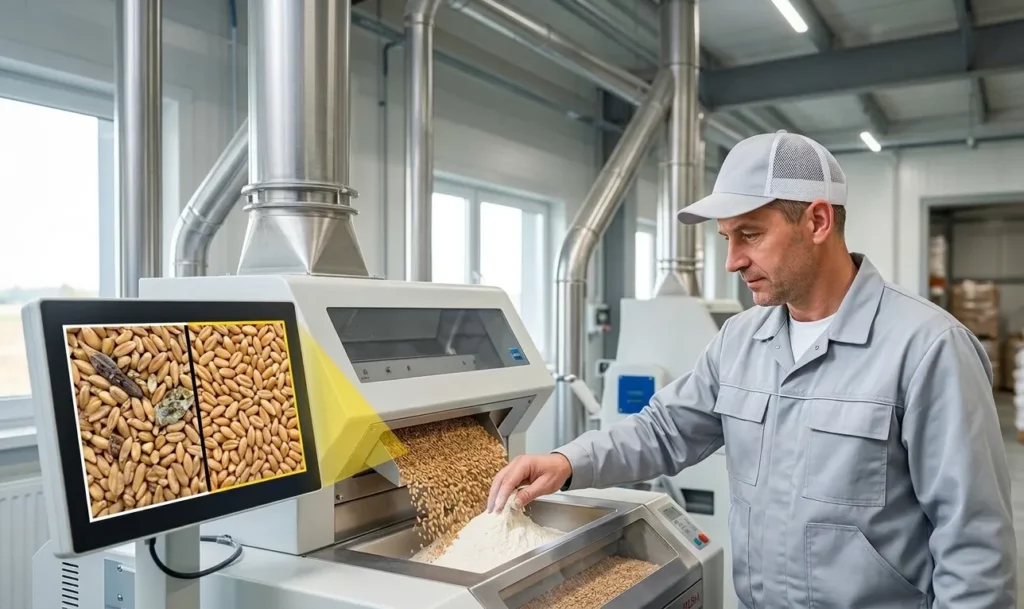
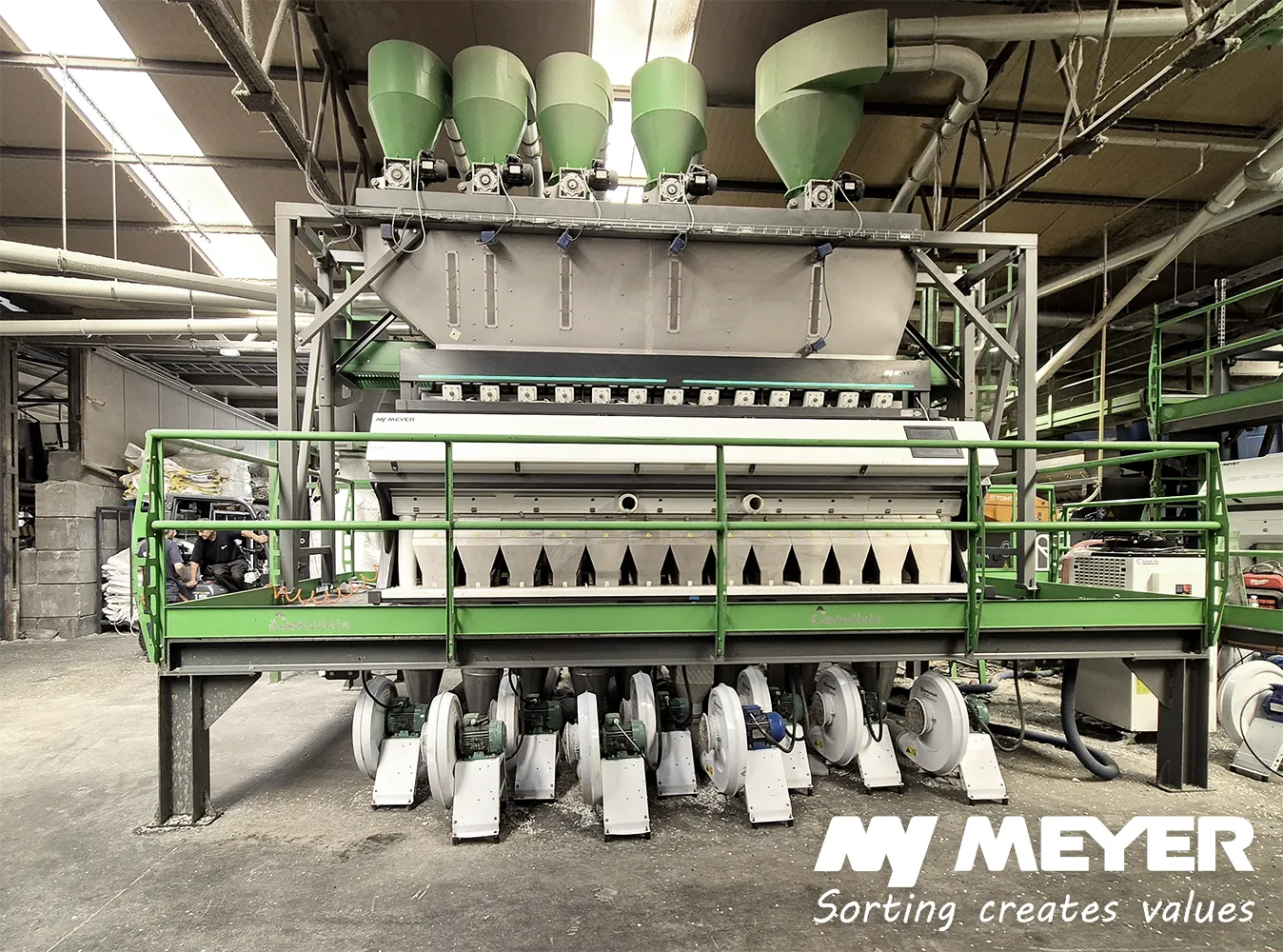
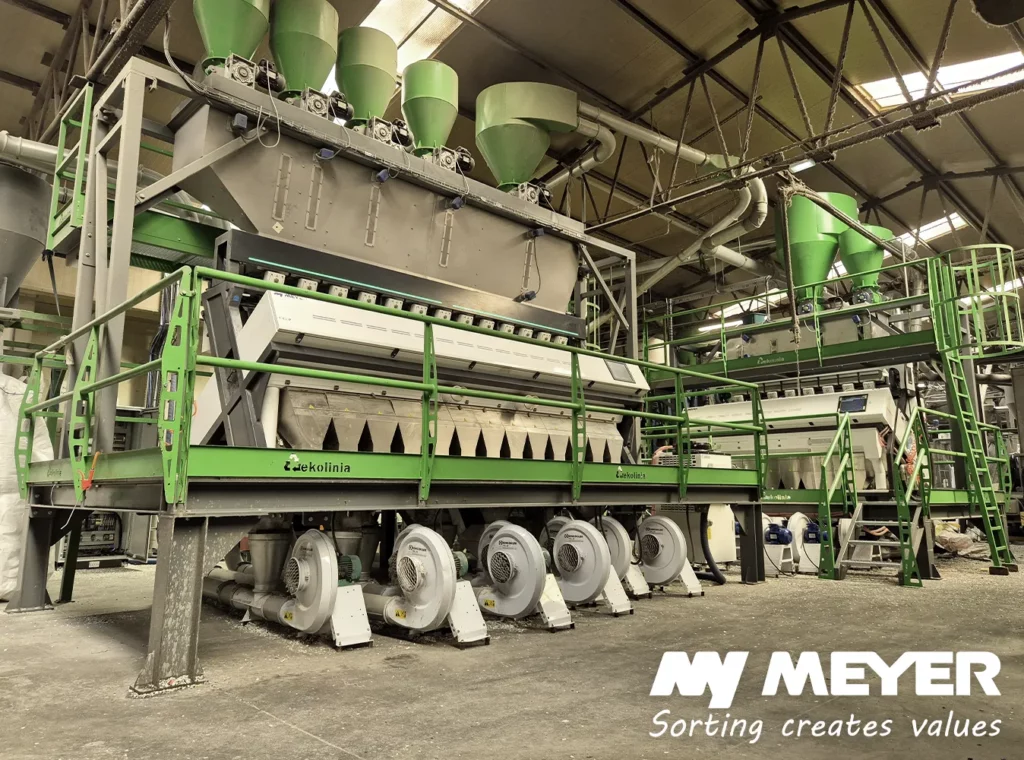
Optical sorting systems represent a significant technological advancement capable of transforming recycling operations. These systems use near-infrared (NIR) spectroscopy, high-resolution cameras, and artificial intelligence algorithms to quickly and accurately identify, classify, and separate recyclable materials. For SMEs, integrating optical sorting systems offers multiple strategic advantages:
- Enhanced Efficiency and Throughput: Optical sorting systems increase processing speed dramatically. SMEs can process larger volumes of recyclables in less time, reducing operational bottlenecks and increasing revenue potential.
- Improved Material Purity: Achieving higher purity levels in recyclables makes products more attractive to buyers, enabling SMEs to command higher prices for their sorted materials.
- Reduced Operational Costs: Automated sorting reduces manual labor costs and minimizes downtime, allowing SMEs to reallocate resources toward other critical areas such as marketing, customer relationships, and expansion strategies.
- Scalability and Flexibility: Optical sorting systems are adaptable and can be scaled based on business growth, allowing SMEs to expand operations incrementally without substantial initial investments.
Strategies for Implementing Optical Sorting Effectively
To successfully leverage optical sorting technology, SMEs should adopt these practical strategies:
- Invest in Scalable Systems: Choose optical sorting solutions that can easily scale with your business growth to ensure long-term value.
- Prioritize Training: Provide comprehensive training for employees on the operation and maintenance of optical sorting equipment to maximize efficiency and longevity.
- Focus on Specialized Recycling Streams: Differentiate your business by focusing on niche recycling areas that large-scale competitors may overlook, using optical sorting technology to maintain high quality and purity standards.
- Leverage Data Analytics: Use integrated data analytics tools in optical sorting systems to optimize sorting operations, monitor performance, and make informed business decisions.
Conclusion: Embracing the Competitive Advantage
For SMEs in the recycling sector, optical sorting technology is more than just an investment in equipment—it’s an investment in sustainable growth, competitive advantage, and operational excellence. By strategically adopting this technology, smaller recyclers can effectively compete with industry giants, driving growth and securing their future in the recycling market.
Embrace optical sorting, and turn challenges into opportunities.